Whether you're cruising past Chase Field, navigating the busy streets near CityScape, or heading toward the Convention Center, seeing your check engine light turn on can be stressful. In a fast-paced area like Downtown, understanding what this warning means — and knowing what steps to take — can help you protect your vehicle, avoid costly damage, and stay safe on the road.
This guide breaks down what to do when your check engine light illuminates, why it happens, and how to handle it effectively in the unique driving conditions of Arizona.
1. Stay
Calm and Assess the Situation
The check engine light doesn’t always mean disaster. Sometimes the fix is simple — other times it requires professional attention.
Start with these steps:
- Is the light steady or flashing?
- A steady light often indicates a non-urgent issue.
- A flashing light signals a severe engine misfire requiring immediate attention.
- Notice any new smells, noises, or vibrations?
- Unusual signs may indicate overheating, fuel system issues, or an emissions malfunction — all common concerns in ’s extreme heat.
2. Look for Additional Dashboard Warnings
If the check engine light appears alongside:
- Oil pressure light
- Temperature warning light
- Battery/charging light
…your vehicle may be experiencing a critical failure.
In Downtown traffic — especially around Jefferson Street, Washington Street, or event crowds near Footprint Center — you’ll want to respond quickly to avoid breaking down in a high-traffic zone.
3. Inspect Your Gas Cap
One of the most common — and easiest to fix — causes of a check engine light is a loose or damaged gas cap.
Do this before anything else:
- Remove and retighten the cap
- Check the rubber seal
- Look for cracks or visible damage
A faulty gas cap disrupts your evaporative emissions system and can illuminate the warning light. After tightening or replacing it, the light may take a few miles to reset.
4. Observe Your Vehicle’s Behavior
While continuing to drive, pay attention to:
- Rough idling
- Stalling
- Hesitation or sluggish acceleration
- Shaking or shuddering
- Burning smells
- Reduced fuel efficiency
If your vehicle begins losing power while driving past Roosevelt Row, on the I-10, or through dense traffic, pull over safely and shut off the engine. Continuing to drive with mechanical issues can cause severe damage.
5. Use an OBD-II Scanner (or Get a Free Scan Nearby)
An OBD-II scanner can read the diagnostic trouble codes (DTCs) stored by your vehicle’s computer. These codes point to the system or part causing the issue.
If you don’t own a scanner, many parts stores in or near Downtown offer free code checks. However, these basic scans do not diagnose the root cause — they simply identify the system reporting trouble.
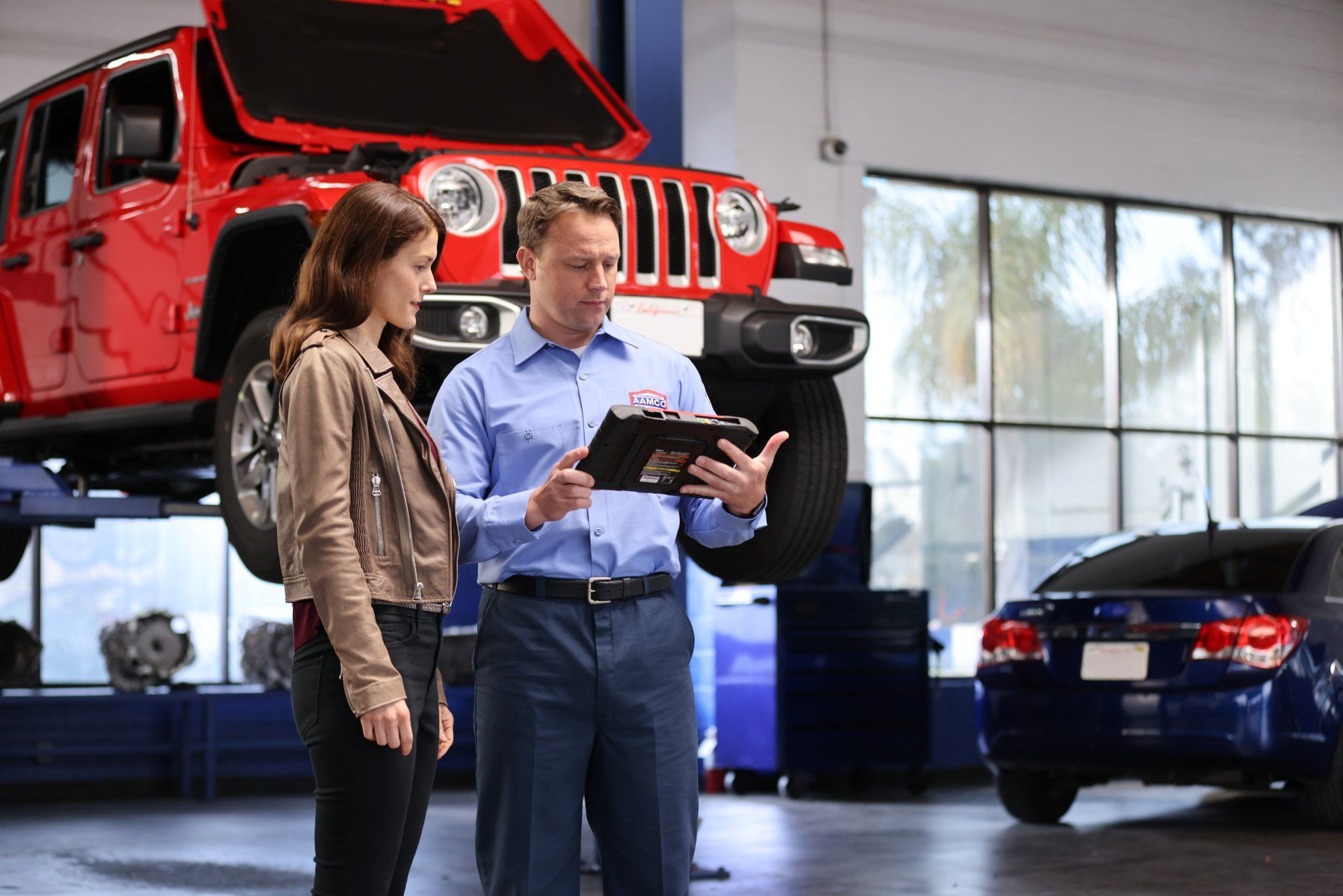
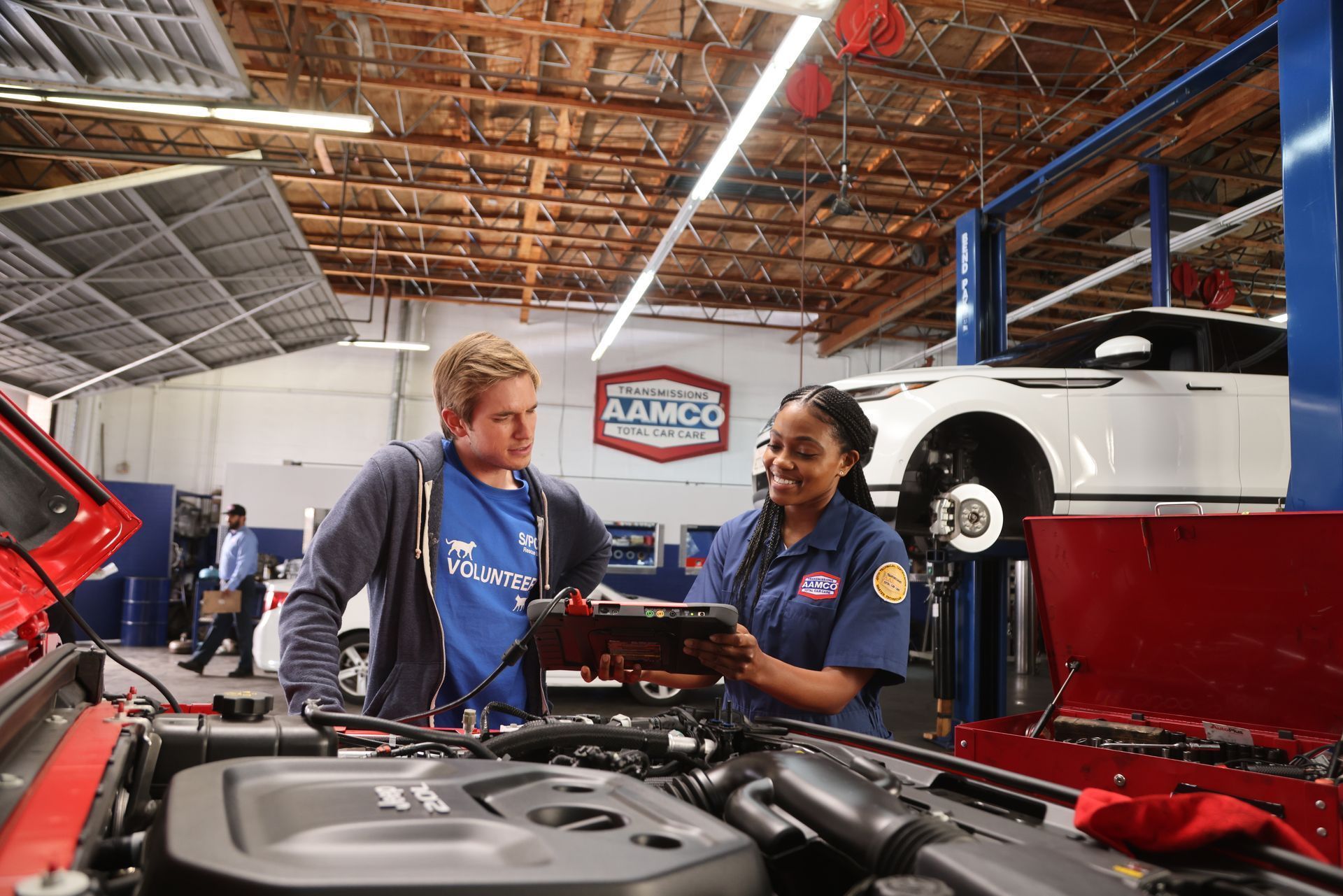
For accurate diagnostics, AAMCO Downtown uses advanced scanning equipment that provides deeper, more precise results.
6. Schedule a Professional Diagnostic
Once you’ve confirmed the light is not caused by a loose gas cap, it’s time to schedule a full inspection.
Transmission and engine-related issues are common in due to:
- Extreme heat
- Stop-and-go traffic Downtown
- Heavy AC load on the engine
- Dust and debris affecting sensors
At AAMCO Transmission and Total Car Care — Downtown, expert technicians can quickly identify the issue and explain the repair options clearly.
Located close to Chase Field, Convention Center, and Footprint Center, it’s convenient to drop your vehicle off before work, before a game, or during errands.
7. Never Ignore the Check Engine Light
Even if your vehicle appears to run normally, ignoring the warning can lead to:
- Catalytic converter failure
- Severe overheating
- Transmission strain
- Fuel efficiency loss
- Engine misfires
- Higher repair costs later
Many drivers wait too long, only to end up stranded in 100+ degree heat — a scenario you want to avoid.
8. Keep Track of All Repairs and Codes
Maintaining service records helps:
- Identify recurring issues
- Track warranty-covered repairs
- Protect resale value
- Ensure proper maintenance intervals
If your light returns in the future, these notes help technicians diagnose issues more quickly.
9. Prioritize Preventive Maintenance
The best way to avoid check engine light issues in is through routine maintenance.
Important items include:
- Regular oil changes
- Cooling system service (critical in heat)
- Air filter replacement
- Transmission inspections
- Sensor and emissions system checks
With intense temperatures near Downtown — especially in parking structures and long idle times — your engine works harder than in most cities.
10. Know When It’s an Emergency
Some situations require you to stop immediately and call for help:
- Flashing check engine light
- Loud knocking or metallic sounds
- Engine shaking violently
- Smoke from the hood or exhaust
- Loss of power
- Strong fuel smell
If this happens near Roosevelt Row, CityScape, or major event traffic, move to a safe area as soon as possible.
Conclusion
Seeing your check engine light come on — whether you're driving near Chase Field, the Convention Center, or heading through the busy core of Downtown — can be stressful, but knowing what to do makes all the difference.
By staying calm, checking simple causes, monitoring performance, and seeking professional diagnostics quickly, you can prevent major repairs and ensure your vehicle stays in top condition.
For accurate diagnostics, expert repairs, and fast service in the heart of the city, trust the specialists at AAMCO Transmission and Total Car Care — Downtown.
📞 Call AAMCO Transmission and Total Car Care — Downtown, or
💻 Schedule your appointment online today